
The ‘forests’ of Antarctica that grow less than a millimeter a year
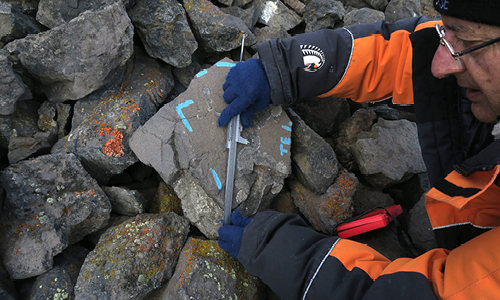
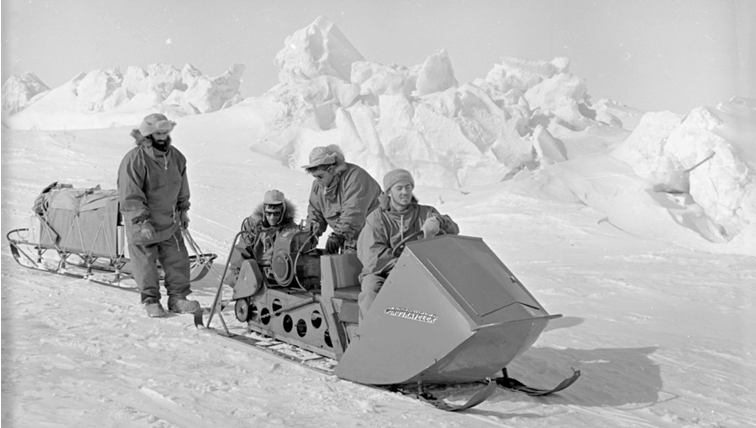
In 1966, Theodore Gannutz and Steven Frishman ventured to Antarctica’s Cape Hallett and climbed a steep slope made of rocks and gravel. They were there to study lichens – the tiny organisms that result from a symbiotic relationship between algae and fungi.
After measuring and marking the patch, now officially a ‘lichenometry site’, the pair left the lichens in peace; safe from human disturbance under the newly established “Specially Protected Area No.7”.
Over the next thirty-eight years, the lichens continued photosynthesising at temperatures as low as -20°C, absorbing water vapour from snow and ice, and providing a home to a range of invertebrates.
In 2004, Catherine Beard (University of Waikato) led another group of hardy researchers to rediscover the site as they scaled the scree slope. They remeasured the same lichens and added to the records.
Motivated by this rediscovery, a team from Aotearoa New Zealand, Spain and Canada made the trip to check on the protected population in 2017. Among them was Ian Hogg, a researcher from Polar Knowledge Canada and Adjunct Professor at the University of Waikato.
“Lichens, along with mosses, are the Antarctic equivalent of trees and shrubs,” Ian says, “They make up the bulk of the visible vegetation found in the Ross Sea region and are a key component of Antarctic terrestrial ecosystems.”
The aim of the research was to fill a data gap on lichen growth rates across Antarctica, as well as investigating how the changing climate had affected the Cape Hallett specimens.
Lichens are often used as bioindicators because of how long they live (up to thousands of years), and their ability to absorb pollutants, water and nutrients from the atmosphere.
Ian says, “They provide an excellent living record of past and present environmental conditions, and that can be used to track future changes.”
Fifty years of growth
As published in their recent paper, the two species the researchers were focused on, Buellia frigida and Rusavskia elegans, grew about 3.5mm and 4.6mm respectively over the 51 years.
The lichens grew faster in the last 13 years of this period than the first 38. The team expects this was driven by greater water availability, rather than higher air temperatures. This would match the nearby ‘microenvironmental zone’, where the highest lichen diversity is at low points in topography – where precipitation is highest.
The team also calculated the lichens at this site are about 500 years old – young as far as a lichen longevity goes.
With the original Specially Protected Area (SPA) revised several times since its inception, the Cape Hallett area is now protected under Antarctic SPA No. 106. This will enable the lichens to remain undisturbed, ready for a visit from the next generation of keen scientists.
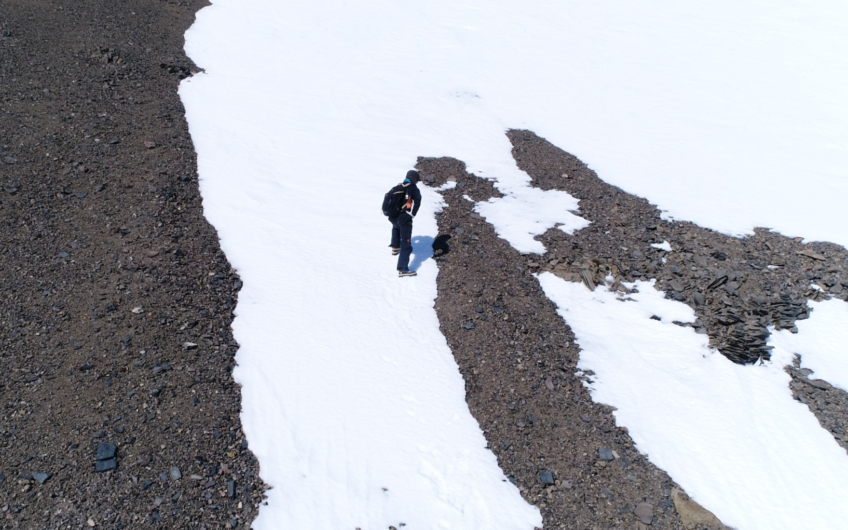
Climbing to lichen site. Image taken by drone.
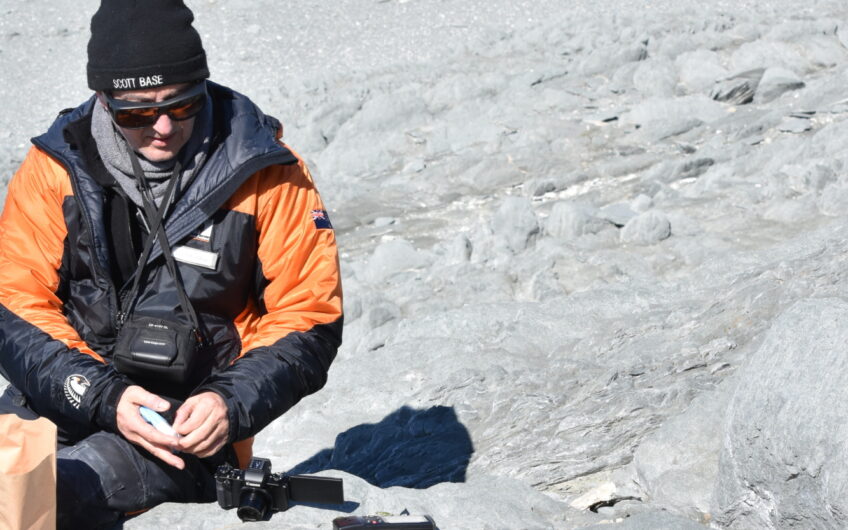
Leo Sancho working at site. Credit Ian Hogg.
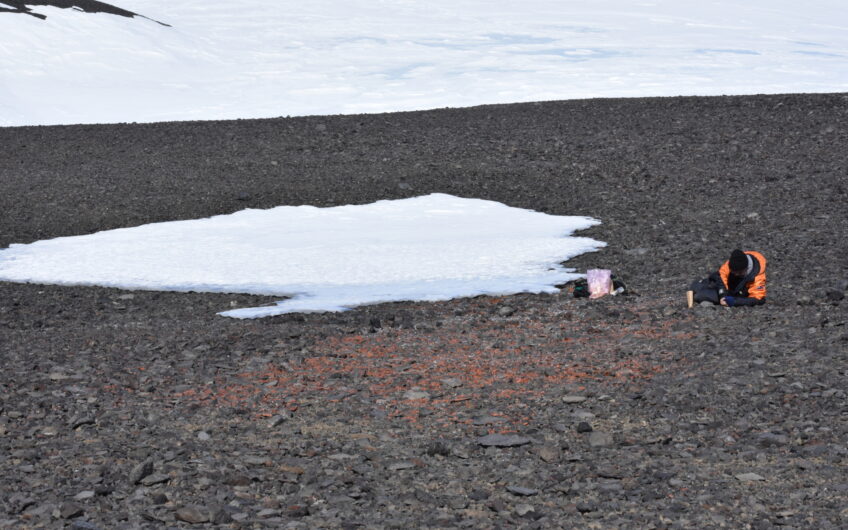
Orange lichen growing in foreground of snow patch. Credit Ian Hogg.