
Environmental Code of Conduct
Maximising your Antarctic experience with minimum environmental impact.
Antarctica is one of the least disturbed places on Earth. To visit is a privilege, and the responsibility lies with you to protect the intrinsic and scientific values of its environment. This Environmental Code of Conduct (download here) is intended as a guide, but cannot be expected to cover every situation. You should always strive to minimise your impact.
Checklist:
- Minimise impacts: Understand what activities you have approval for, and minimise their impacts.
- Respect special areas: Know where designated areas are and respect the access requirements.
- Protect wildlife and plants: Leave foreign species at home, and give wildlife space.
- Conserve resources: Do your best to minimise water and energy use.
- Prevent spills: Take care when handling and storing fuel and hazardous substances.
- Manage waste: Reduce, recycle, and be prepared when away from facilities.
- Camp with care: Reuse past sites, secure gear, and leave sites as close as possible to their natural state.
- Take only photos: Enjoy the fantastic landscapes and environments of Antarctica and remember that natural materials (rocks, fossils, bones, feathers etc.) must stay where they are.
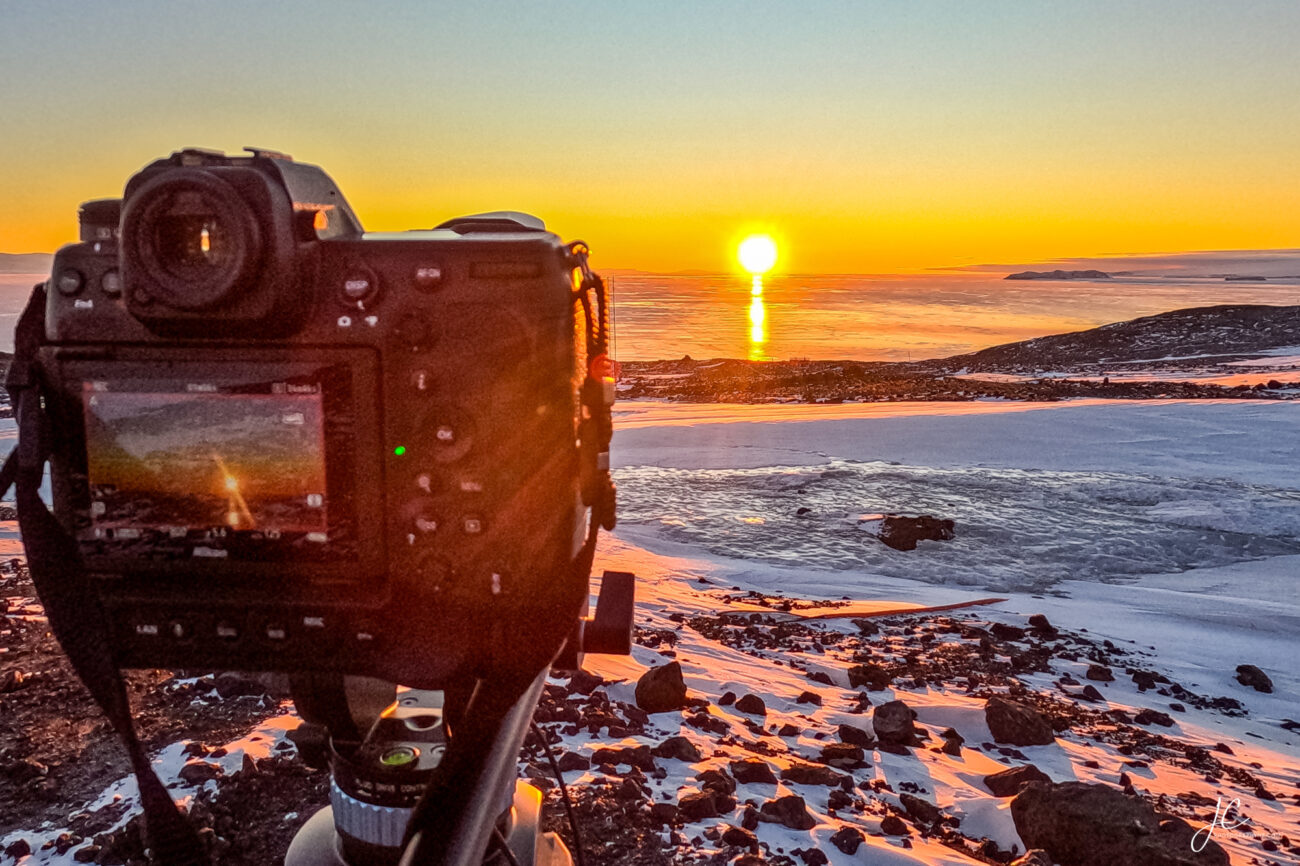
Take only photographs
Removal of any natural material, unless it is part of an approved Environmental Impact Assessment, may be considered an offence under the Antarctica (Environmental Protection) Act (1994).
- Do not remove rocks, soil, minerals, fossils, volcanic bombs or ventifacts unless you have specific approval to do so.
- Do not remove feathers, bones, vegetation or other natural materials unless you have approval to do so.
- Do not build cairns, and minimise the use of markers or other objects to mark sites.
- Do not wash, swim or dive in lakes or streams unless authorised to do so; these activities contaminate the water body and physically disturb the water column, delicate microbial communities, and sediments.
- Report items discovered in the field (e.g. old food caches, old equipment, markers, etc.). Take photographs, record the GPS position and notify Scott Base. A decision to either remove the items or leave in situ will be made once an evaluation has been conducted.
Field activities
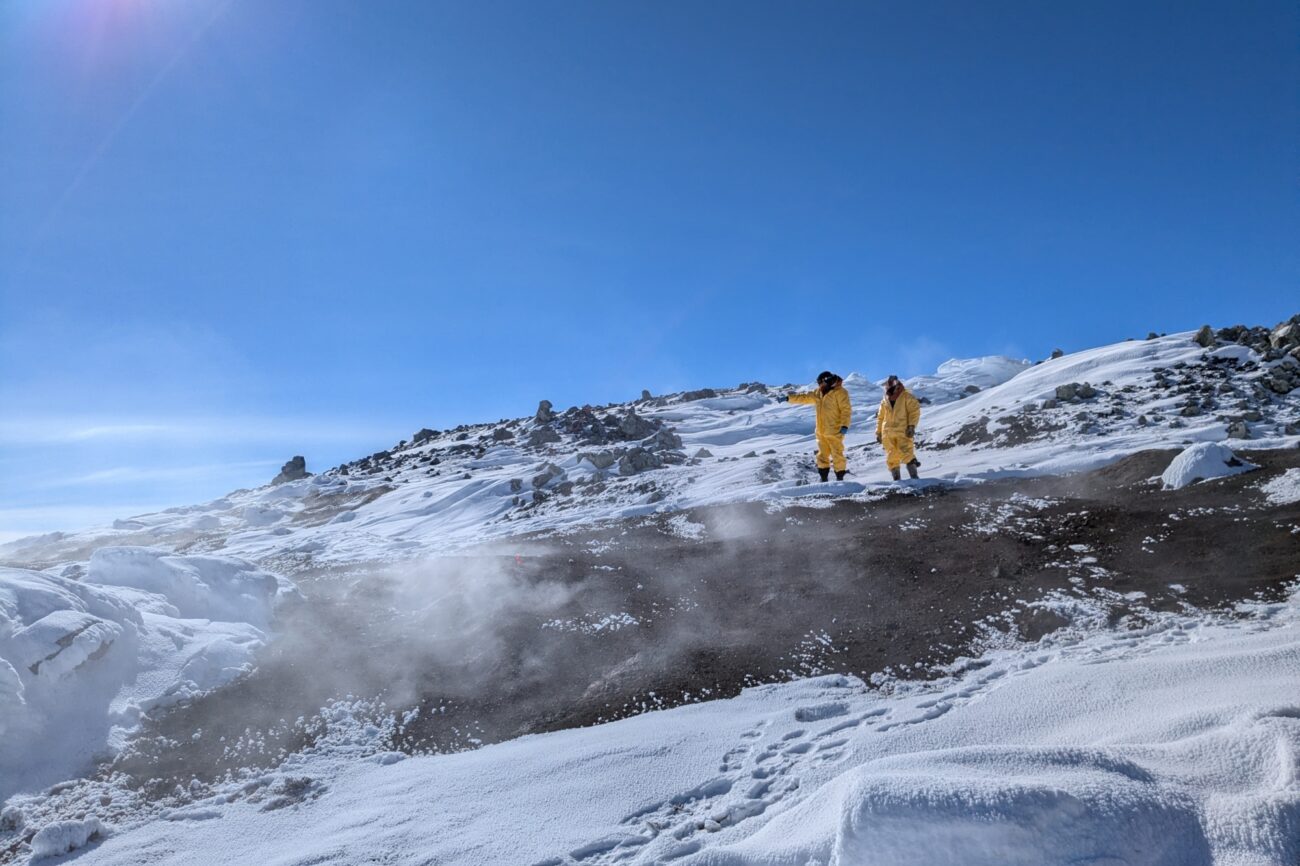
Every effort should be made to minimise the impact of scientific investigations and field activities.
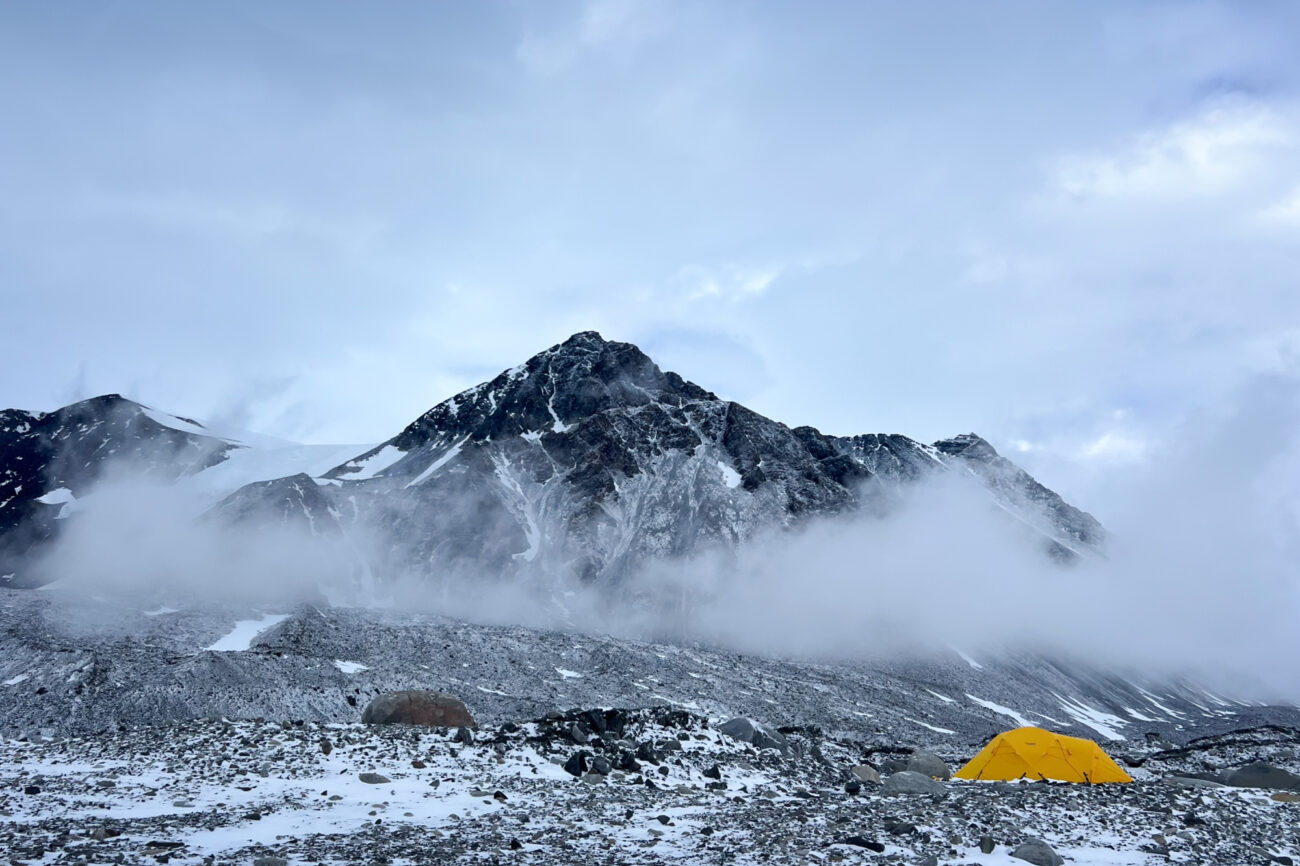
- Camp away from lakeshores, streambeds, vegetated areas and wildlife to avoid contamination and/or disturbance.
- Where possible, place tents and equipment on snow or previously used campsites.
- Secure all waste and equipment to prevent it blowing away and to prevent foraging by wildlife.
- Where possible, use solar power to minimise fuel use.
- Minimise water use to reduce the volume of grey water returned to Scott Base. Use paper towels for wiping plates in the field instead of washing dishes.
- Where possible, use established tracks. Otherwise, take the most direct route that avoids fragile terrain and plant and animal communities.
- Never paint or deface rocks or ice-free surfaces.
- Leave no sign of your visit. Remove everything you take into the field, and make every effort to return sites to their natural state.
- Keep accurate records of your campsite including location, sites of tents and equipment (such as generators), amount of waste generated, and the location of any equipment left in the field. Include this information in your end of season report.
- Record all incidents, hazards or near-misses, and report them during your next scheduled radio contact with Scott Base.
Energy and carbon management
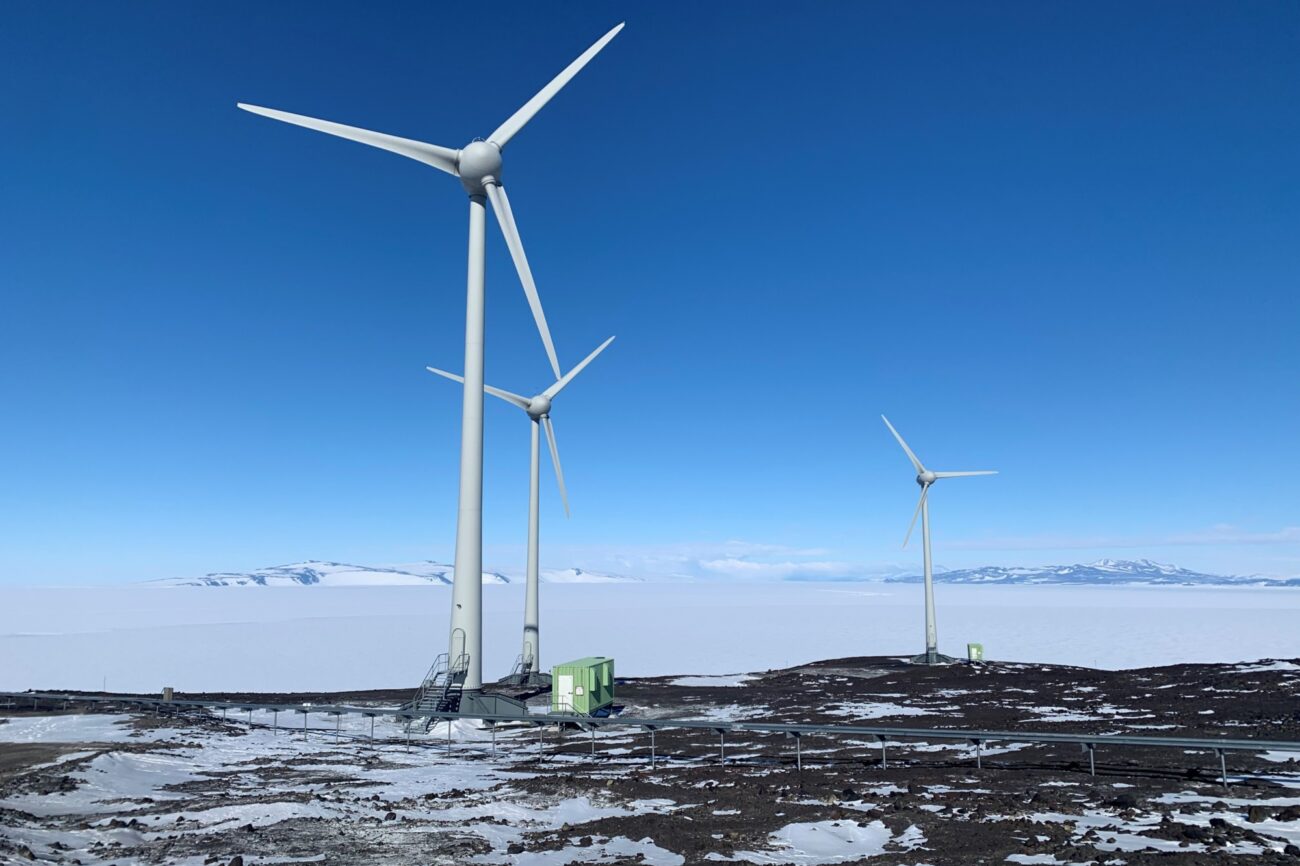
Antarctica New Zealand is committed to minimising our environmental footprint. Your behaviour can have a large impact.
- Turn off lights, equipment and other appliances when not in use.
- Keep doors closed to avoid heat loss.
- Reduce your shower time to conserve water – aim for three minutes.
- Reduce the amount of laundry you do when at Scott Base. Take your last load of laundry home and use the drying room rather than the clothes dryers.
- Minimise vehicle use by ride-sharing, or walking.
- Minimise food waste by taking only as much as you can eat.
Protecting special areas
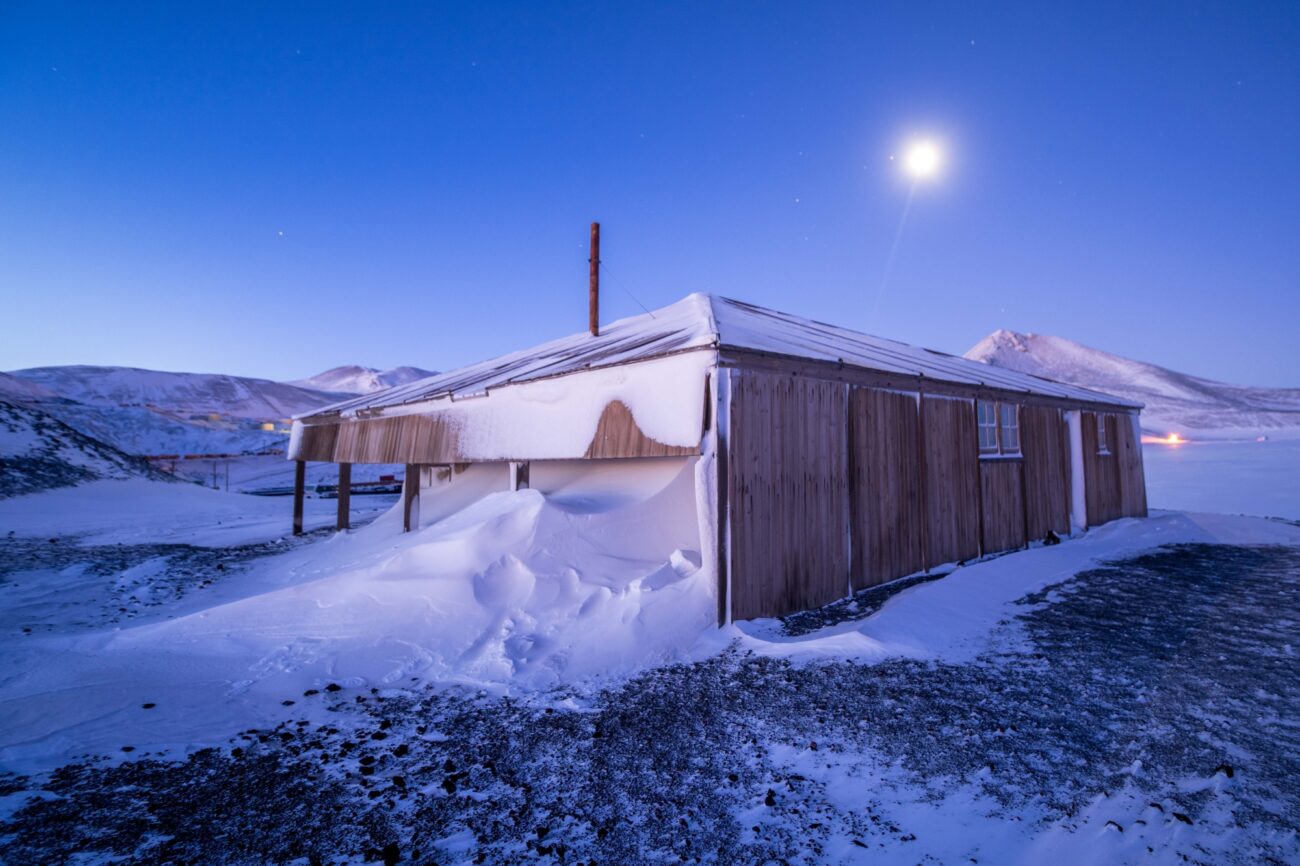
Certain areas of Antarctica are set aside as Antarctic Specially Protected Areas (ASPAs), Antarctic Specially Managed Areas (ASMAs), or Historic Sites and Monuments (HSMs) in order to protect natural, physical and heritage values.
- Be aware of the location of and restrictions associated with ASPAs, ASMAs and HSMs when planning your activities.
- Entry into an ASPA is prohibited except in accordance with a permit, which must be carried when entering these areas.
- All historic huts in the Ross Sea region are ASPAs, and the entire McMurdo Dry Valleys are an ASMA.
- Always consult the Management Plan for any ASPA or ASMA you will be operating within or around. Copies are available on the Antarctic Treaty Secretariat’s website: www.ats.aq
Protection of wildlife and plants
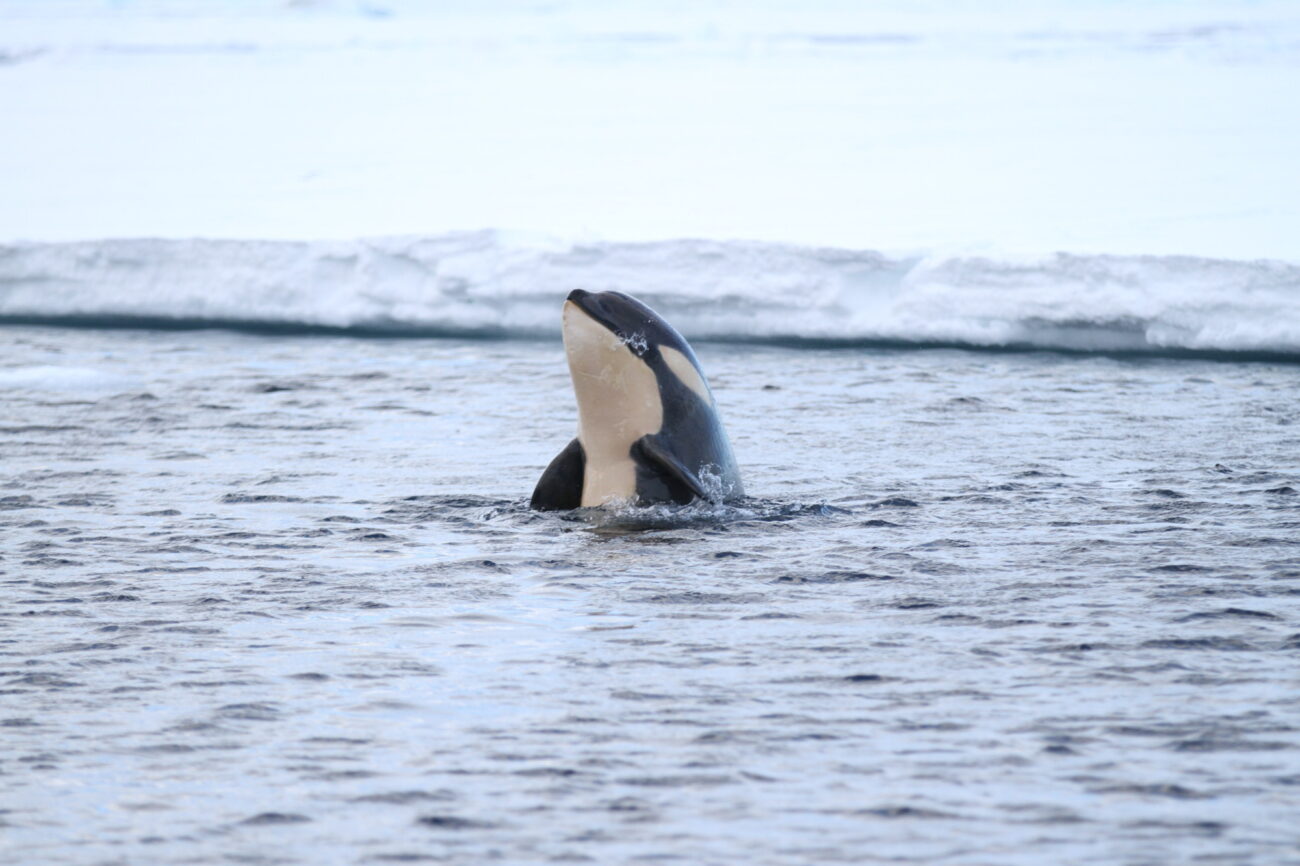
Antarctic wildlife and plants can be very sensitive to human disturbance. Unless you have a permit, disturbance of wildlife or damage or removal of plants may constitute ‘harmful interference’ which is prohibited under the Antarctica (Environmental Protection) Act (1994).
Clean your clothing, boots and equipment before travelling to Antarctica. Pay particular attention to boot treads, Velcro fastenings and pockets which could contain soil or seeds.
• Introducing non-native species, including any animal, plant or non-sterile soil is prohibited except in accordance with a specific permit.
• Do not remove or interfere with plants or animals unless you have a permit to do so.
• Keep noise to a minimum in the vicinity of wildlife.
• Always give wildlife the right of way, and do not block their access routes.
• Stay 10 metres away from any animal unless it comes to you. Increase this distance if the animal appears disturbed, and take particular care around nesting birds.
• Wherever it is safe to do so, keep vehicles a minimum of 200 metres away from wildlife.
• Take special care when photographing, and do not walk through bird or seal colonies.
• Do not walk or drive on vegetation, including mosses and lichens.
• Do not take poultry or poultry products into or near bird colonies, due to the risk of introducing avian diseases.
Waste management
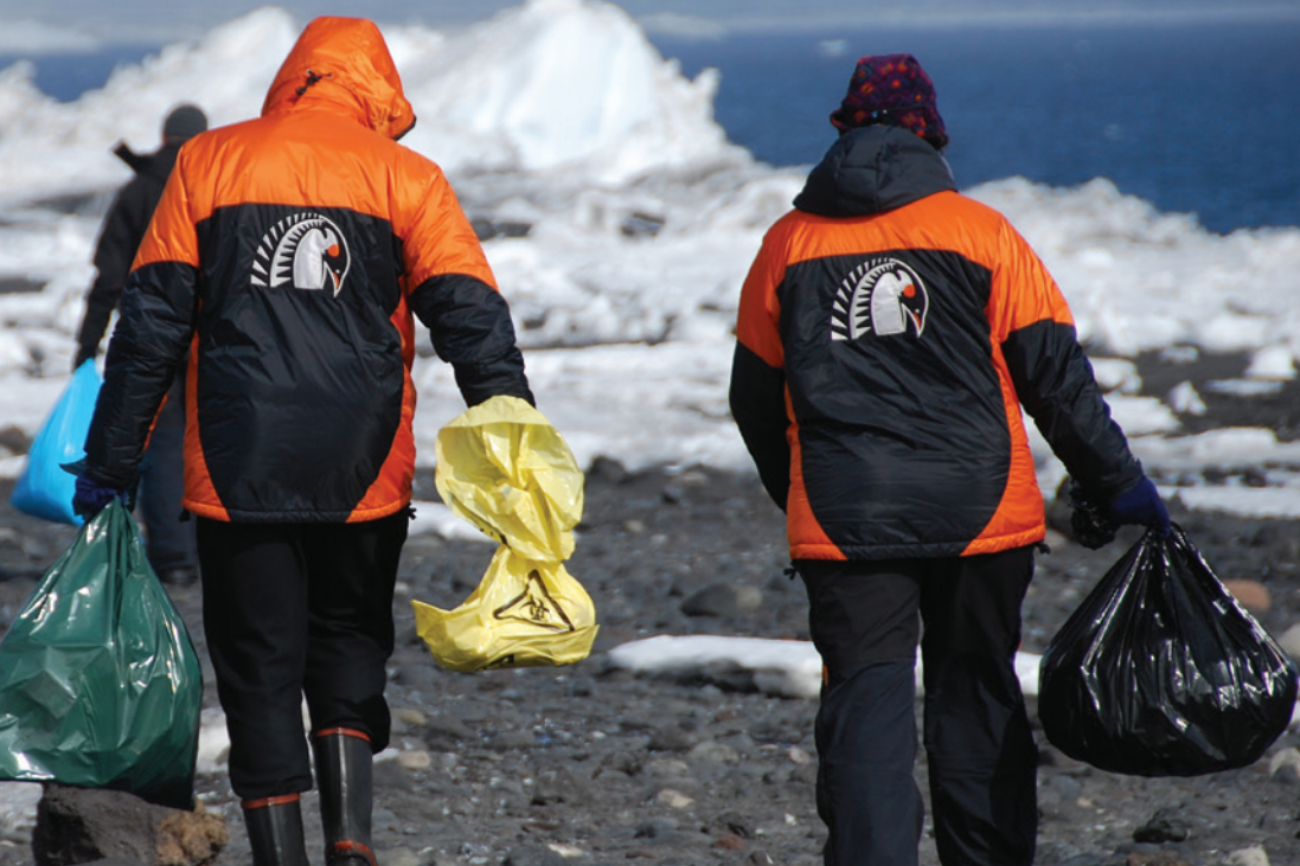
Most activities carried out in Antarctica will produce waste, almost all of which is returned to New Zealand for treatment and disposal. All waste must be correctly handled, whether in the field or at Scott Base.
- Minimise the generation of waste by removing unnecessary packaging and other potential waste before it is sent to Antarctica or into the field.
- Choose reusable packing materials like bubble wrap, cardboard or paper.
- Polystyrene beads, chips or similar forms of packaging, nonsterile soil, polychlorinated biphenyls (PCBs) and pesticides are prohibited and should not be sent to Antarctica.
- Vermiculite should only be used for packaging hazardous liquids.
- Separate the waste you produce and dispose of it in the correct waste stream at Scott Base.
- Open burning of waste is prohibited.
- All field waste must be collected and returned to Scott Base, including grey water and human waste.
- Be prepared – carry a personal pee bottle when travelling away from Scott Base or your field camp.
Hazardous substance management
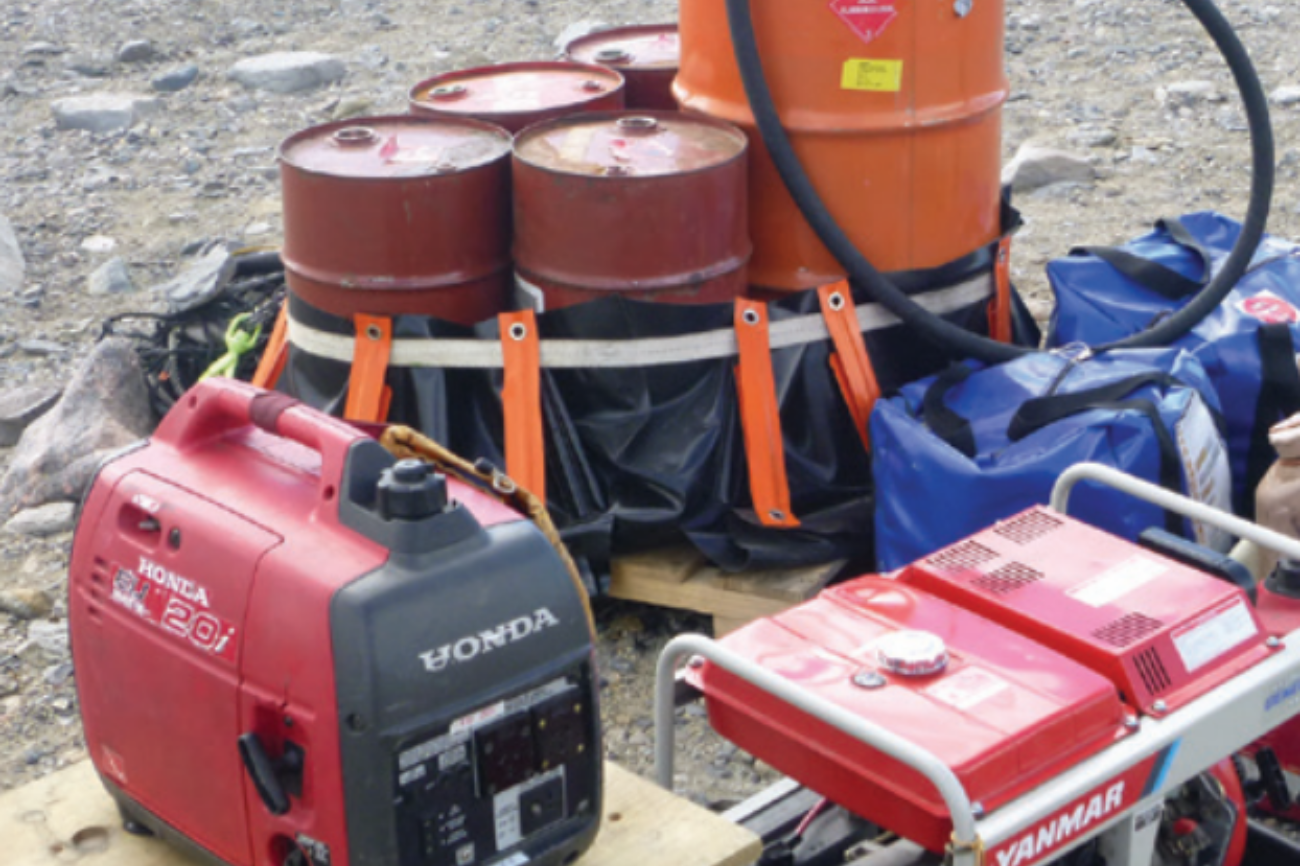
The impacts of fuel or other hazardous substance spills on the environment can be significant if appropriate action is not taken quickly. Prevention is the best defence.
- Minimise the handling and storage of fuel and hazardous substances, especially in the vicinity of sensitive areas such as freshwater lakes and streams, the marine environment, bird and seal colonies, and areas of vegetation.
- Store all fuel and hazardous substances using secondary containment such as bunding, drip trays or sorbent mats.
- Always have a spill kit nearby when handling fuel and hazardous substances.
- When possible, work in pairs when refuelling vehicles or equipment.
- Refuel vehicles and other equipment out of the wind, and use funnels or a spill pad to avoid spilling drips.
- Check equipment for faults and leaks prior to use.
- If a spill does occur, respond quickly using the procedures in your field manual.
Environmental Impact Assessment
Under the Antarctica (Environmental Protection) Act (1994), an Environmental Impact Assessment must be completed for all activities in Antarctica. The assessment should outline your intended activities, identify the potential environmental impacts, and describe how you plan to mitigate your impacts to the fullest extent possible. The assessment must be approved by the Minister of Foreign Affairs before the proposed activities can take place. Some activities are prohibited except in accordance with a permit. These are entering an Antarctic Specially Protected Area (ASPA), interfering with or sampling flora or fauna, and introducing non-native species to Antarctica. The Minister issues permits for these activities as part of the approval of your Environmental Impact Assessment.
- Be familiar with your Environmental Impact Assessment and your conditions of approval.
- Know the specific sites and activities your Event is approved for.
- Understand your reporting requirements before you depart for Antarctica.
- Seek an amendment to the approval if your proposed activities change