
SWAIS2C 101: the what, where, when, why, and where to next
Looking forward by looking back is the guiding ethos of one of the biggest Antarctic research projects in recent years.
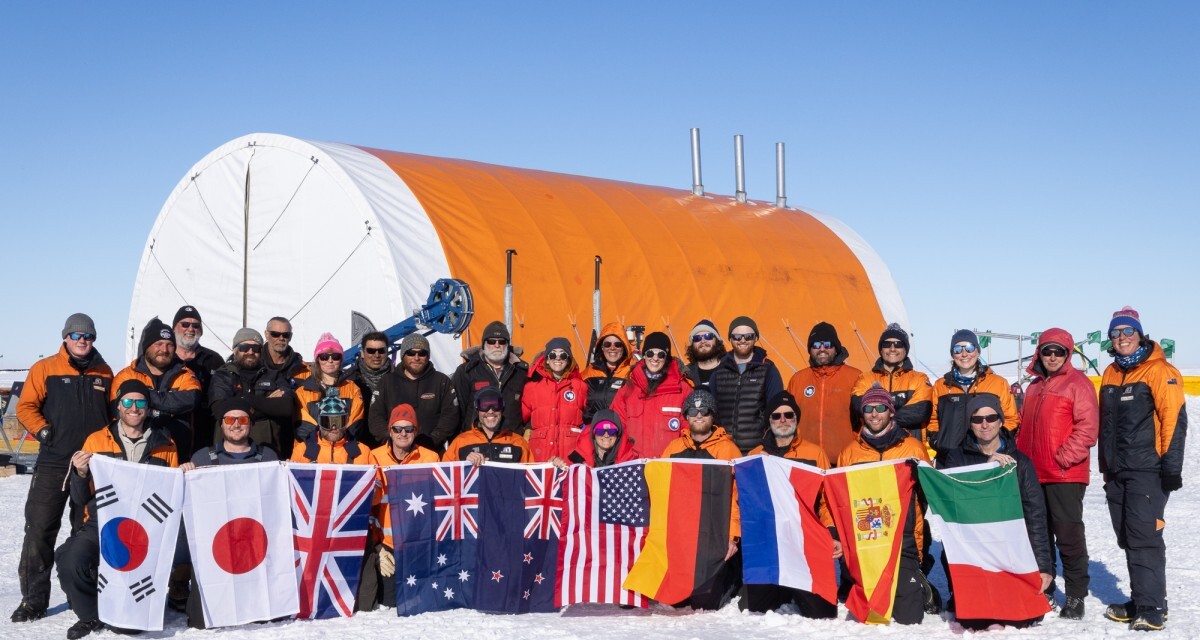
SWAIS2C, short for ‘Sensitivity of the West Antarctic Ice Sheet to 2 Degrees Celsius’, is an incredible example of international collaboration, ambition and perseverance.
The project’s goal is to gather information about the past so we can be better prepared for the future under our warming climate. By drilling for sediment cores from deep under the West Antarctic Ice Sheet and Ross Ice Shelf, scientists can see what happened to the ice sheet in the past, at times when our climate was warmer.
“Retrieving these geological records will allow us to build a much better picture of how the West Antarctic Ice Sheet will respond to warming, which parts will melt first, and which parts will remain. This knowledge is critical as humanity grapples with the challenge of sea-level rise.” – SWAIS2C Co-Chief Scientist Professor Richard Levy (Earth Sciences New Zealand and Te Herenga Waka – Victoria University of Wellington).
Drilling deep
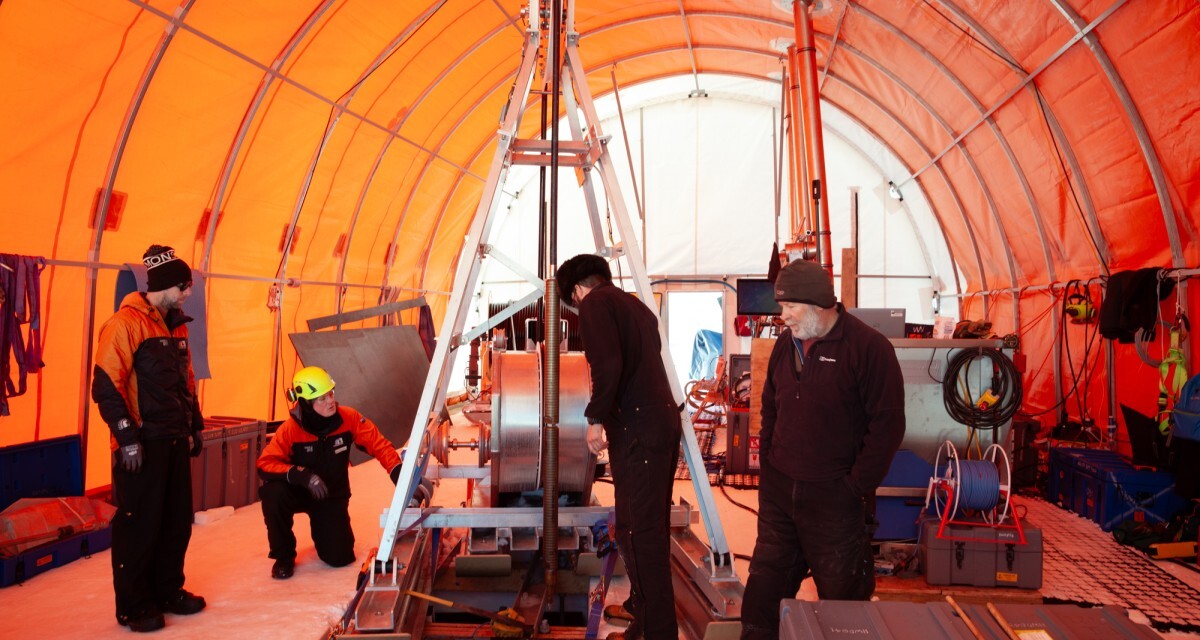
The international team initially headed out to the deep-field drilling camp at KIS3 on the Ross Ice Shelf, around 860km from Scott Base, back in 2023. Getting the crew and gear to the site was a mission in itself, made possible by the support of the overland traverse capabilities developed by Antarctica New Zealand.
The plan was to use a hot water drill to melt a hole through the ice shelf, and then use a custom-made drill to drill a sediment core up to 200m into the seabed.
They faced technical challenges and some gut-wrenching setbacks over two seasons at KIS3. In January this year, at the project’s second drilling site at Crary Ice Rise, the team finally retrieved a record-breaking 228m sediment core from the bedrock under 523m of ice. After 10 years’ of planning, and three grueling field seasons where the on-ice team worked day and night in challenging Antarctic conditions, this was the result everyone had been waiting for.
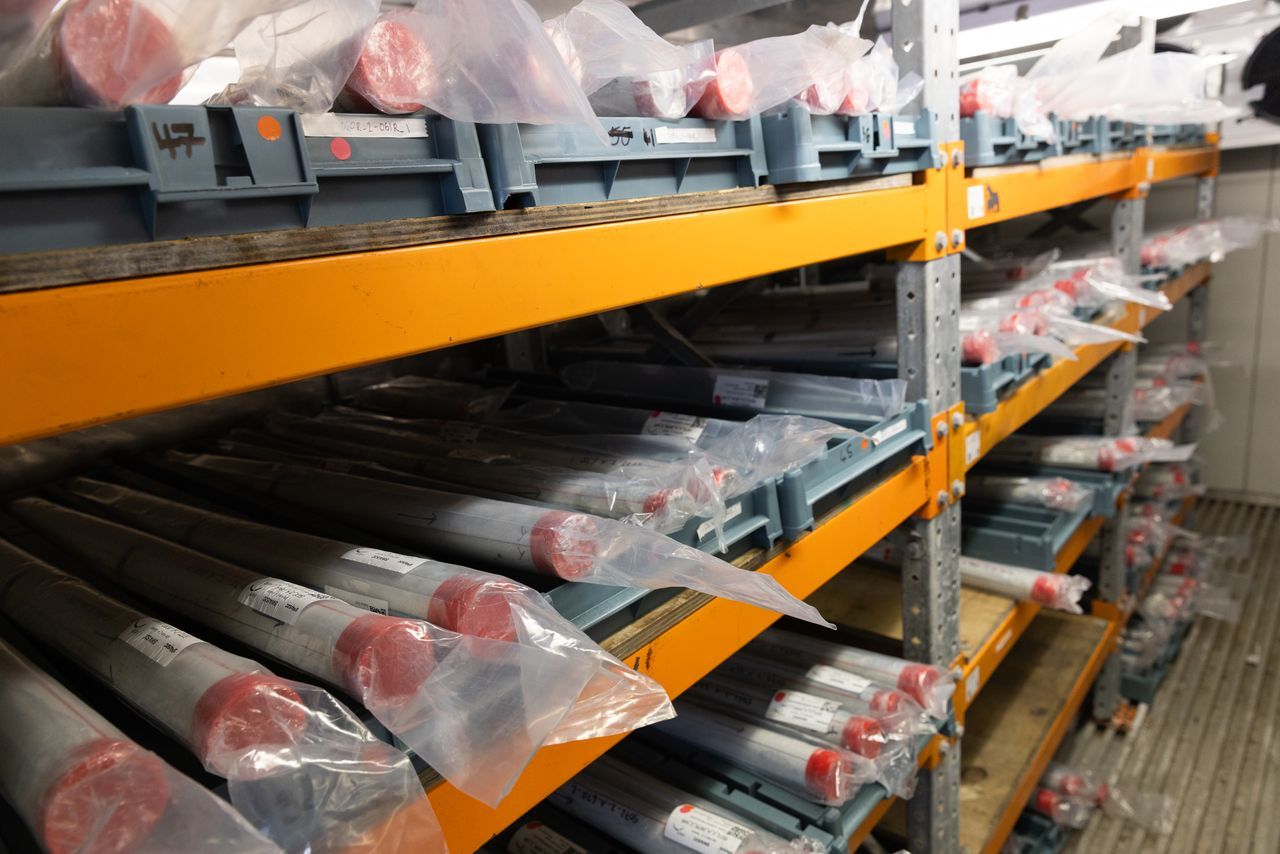
Scientists were on hand to describe, image, sample and process the three-metre lengths of core, before they were packed up and sent to Aotearoa.
“This new record provides sequences of environmental conditions through time, and ground truths the presence of open ocean in this region. In addition to pinning down the time when this occurred and the corresponding global temperature, analysis will help us quantify the environmental factors that drove the ice sheet retreat, such as determining what the ocean temperatures were at that time.” – SWAIS2C Co-Chief Scientist Associate Professor Molly Paterson (Binghamton University, United States)
Back in the lab
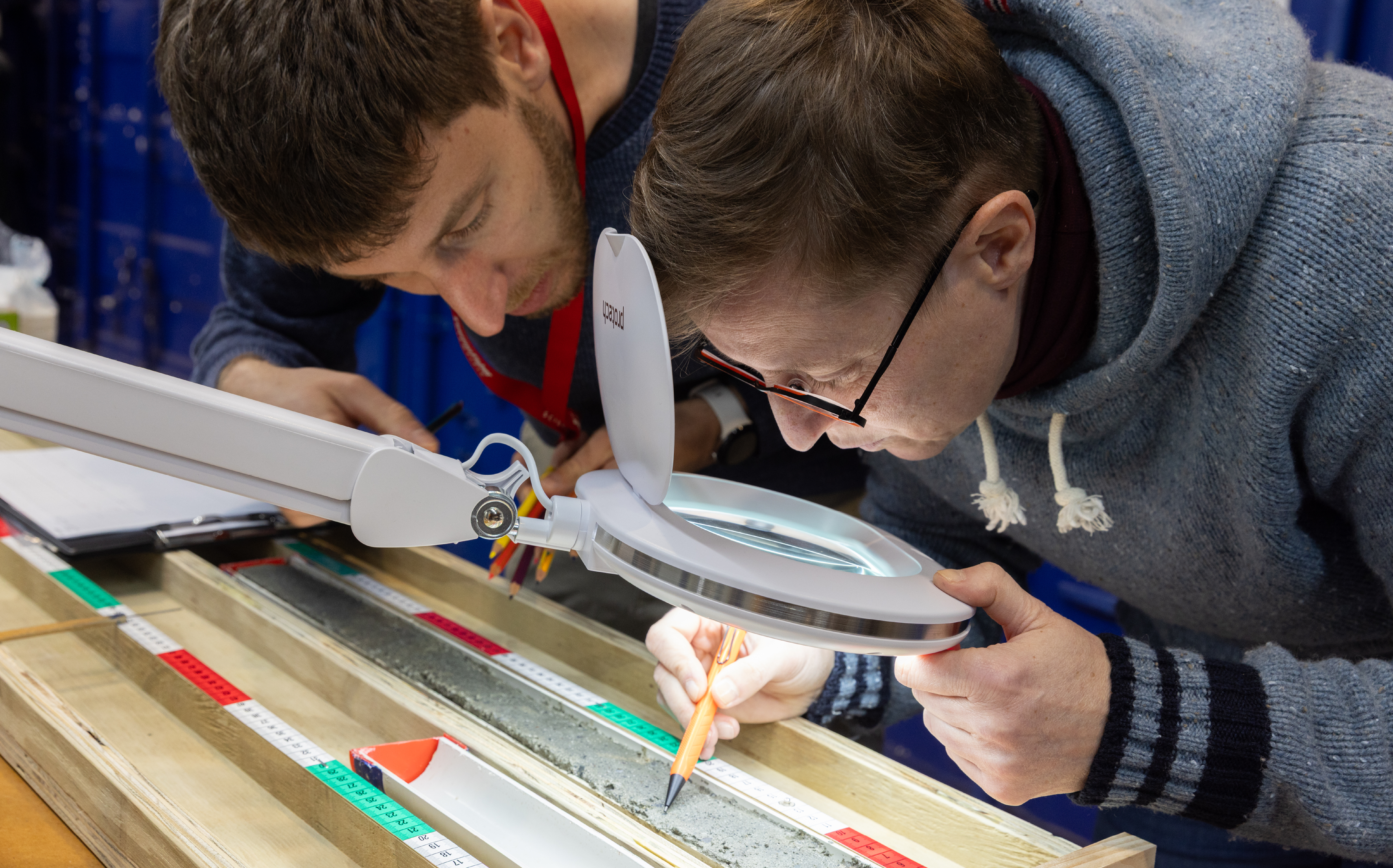
After a few months of well-deserved break, SWAIS2C's science team reconvened at the Otago Repository for Core Analysis in Dunedin in June. Their task was to slice open portions of the core to describe, record and analyse the contents.
To make sure nothing was missed the team had plenty of expertise on hand, including sedimentologists, geochemists, micropaleontologists, geophysicists and more. During the two-week workshop they confirmed the core holds a record of an open marine environment, far closer to the centre of West Antarctica than has been seen before.
“It’s a surprise to find these signs of an open marine environment. We have records with similar material from closer to the modern ice shelf edge, this is the first time we've recovered such a strong indication that the ice sheet retreated at a location so close to the centre of West Antarctica.” – SWAIS2C Co-Chief Scientist Professor Richard Levy (Earth Sciences New Zealand and Te Herenga Waka – Victoria University of Wellington).
Analysis at the workshop also refined the age estimate, finding the majority of the core is aged between 10 to 7 million years old.
The next steps will be to determine what the local temperatures were at the time that there were these open water conditions, and to understand the processes that led to the ice shelf collapse and ice sheet retreat.
Samples from the core are now being analysed by the international science team at laboratories around the world. The findings will contribute critical knowledge to ice‑sheet modelling and sea-level projections.
Keep up to date on the SWAIS2C project by following them on Facebook, Instagram and LinkedIn.
All images thanks to Ana Tovey / SWAIS2C.